
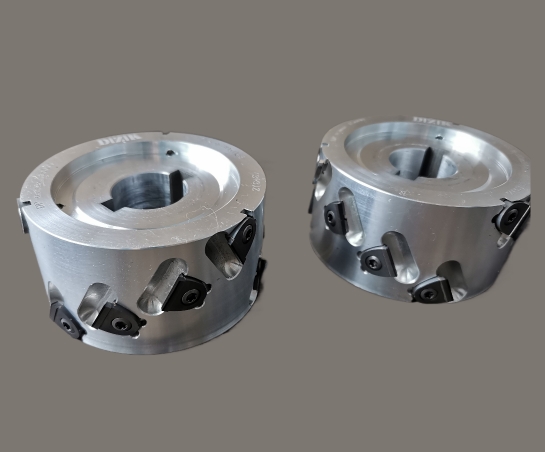
In industries where precise edge finishes are essential, such as furniture or cabinetry manufacturing, the role of pre-milling is becoming increasingly recognized. Pre-milling ensures a perfect edge before edge banding is applied, minimizing flaws like visible glue lines or chipping. As a leading Pre-milling cutter manufacturer, we understand the importance of delivering high-quality solutions to overcome these common challenges. If you are looking for wholesale Pre-milling cutter solutions, understanding the key benefits of pre-milling can help you choose the best tools for your business.
Table of contents:
Ensuring Panel Sizing Accuracy
Addressing Surface Imperfections
Combatting Moisture and Humidity Expansion
Overcoming Nesting Process Challenges
Handling Mixed Materials with Ease
One of the most common problems in panel preparation is uneven edges, which often result from misaligned saw blades or dull cutting tools. These imperfections can lead to inconsistent panel dimensions, making edge banding difficult and creating visible glue lines. For manufacturers who work with high-end materials, this lack of precision can lower the product's overall quality.
How Pre-Milling Helps: Pre-milling cutters are specifically designed to shave off a small amount of material from the panel’s edge, ensuring that it is perfectly square. This guarantees that when the edge banding is applied, there are no visible glue lines or gaps. By addressing imperfections early, pre-milling ensures a higher-quality finish and reduces the need for rework later in the process.
Surface imperfections such as chips, scratches, or fibers sticking out are common when cutting panels with dull saw blades or routers. These flaws can lead to uneven edge banding and a poor finish, especially with high-gloss or laminated materials. The presence of surface damage can cause glue contamination, weakening the bond between the edge and the panel.
How Pre-Milling Helps: Pre-milling effectively removes surface imperfections by creating a clean, smooth edge ready for edge banding. The precision of pre-milling ensures that even the smallest chips or fibers are milled away, leaving behind an ideal surface for glue application. This is crucial for manufacturers working with high-gloss panels or intricate surface materials.
In regions with high humidity, panels—especially those made from particle board—can absorb moisture and expand. This swelling can lead to uneven panel edges, which are difficult to cover with edge banding. The resulting imperfections not only affect the product's appearance but can also cause structural problems if the edges aren't perfectly sealed.
How Pre-Milling Helps: Pre-milling cutters are designed to remove the outermost layer of the panel, which may have swollen due to moisture absorption. By doing so, pre-milling ensures that the edges are uniform, reducing the risk of visible glue joints and weak bonds. This step is particularly beneficial for panels that have been exposed to fluctuating environmental conditions.
Nesting processes, often used in CNC machining, can present challenges such as tearing of fibers when cutting through panel cores. This can leave uneven edges that compromise the quality of the final product. Loose fibers from nesting can also contaminate glue application systems, reducing the bond strength between the edge band and the panel.
How Pre-Milling Helps: Pre-milling eliminates these loose fibers and smooths the panel’s edge, providing a clean base for edge banding. By addressing this issue, pre-milling significantly reduces the risk of weak glue joints and ensures a higher-quality finish.
Panels made from different materials, such as textured laminates or high-gloss finishes, react differently to cutting tools. These material variations can lead to inconsistent cuts, surface damage, and difficulty applying edge banding without visible flaws. The complexity of working with mixed materials requires a tool that can adapt and provide consistent results across various substrates.
How Pre-Milling Helps: Pre-milling cutters are versatile and capable of handling a wide range of materials with ease. Whether working with laminate, wood, or other synthetic surfaces, pre-milling ensures that each material's edges are uniformly prepared. This adaptability makes pre-milling an essential step for manufacturers dealing with mixed materials.
Pre-milling is an invaluable process for ensuring the quality of panel edges before edge banding. By addressing issues such as panel sizing inaccuracies, surface imperfections, and the challenges posed by different materials, pre-milling ensures a smoother, more precise finish. For manufacturers looking to improve their production process, investing in high-quality pre-milling cutters can make a significant difference. If you're looking for wholesale Pre-milling cutter options or need expert advice on which tools are right for your business, explore our offerings at diziktool.com. Let us help you improve your manufacturing efficiency and product quality with our top-of-the-line solutions.


